In modern manufacturing, precision, reliability, and efficiency are no longer optional—they are essential. Machines today are tasked with complex operations that require smooth rotation, accurate positioning, and the ability to handle heavy or combined loads without error.
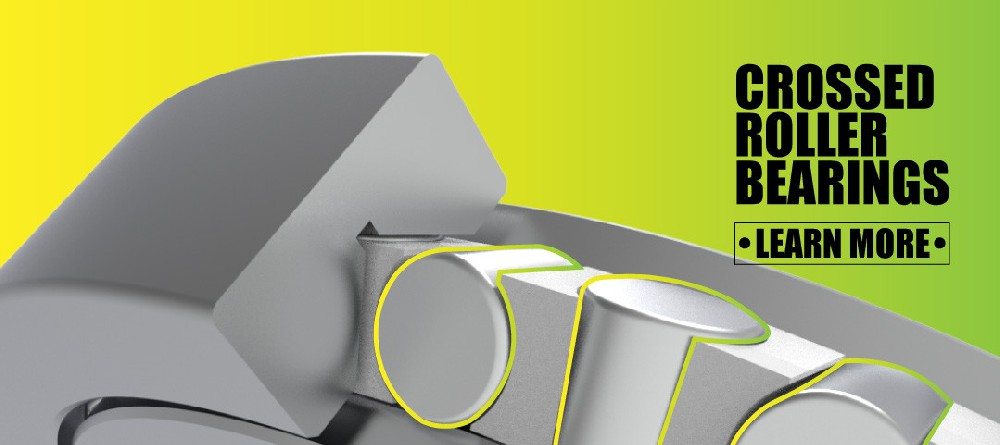
At the core of this performance lies a component often overlooked but vital: the 交叉滚子轴承. Designed with cylindrical rollers arranged perpendicularly, it provides unparalleled support for radial, axial, and moment loads simultaneously. This allows machinery to operate with minimal vibration, maximum rigidity, and consistent precision, even under high stress.
From robotic arms that assemble delicate electronics to rotary tables that handle heavy materials, these bearings ensure every movement is controlled and accurate. Their compact design, long service life, and versatility make them indispensable in industries ranging from CNC machining and aerospace to medical devices and factory automation.
Cross Roller Bearing Applications Across Modern Manufacturing
In this guide, we will explain how cross roller bearing are applied across modern manufacturing, their features, benefits, and best practices for optimal performance.
Understanding Cross Roller Bearing
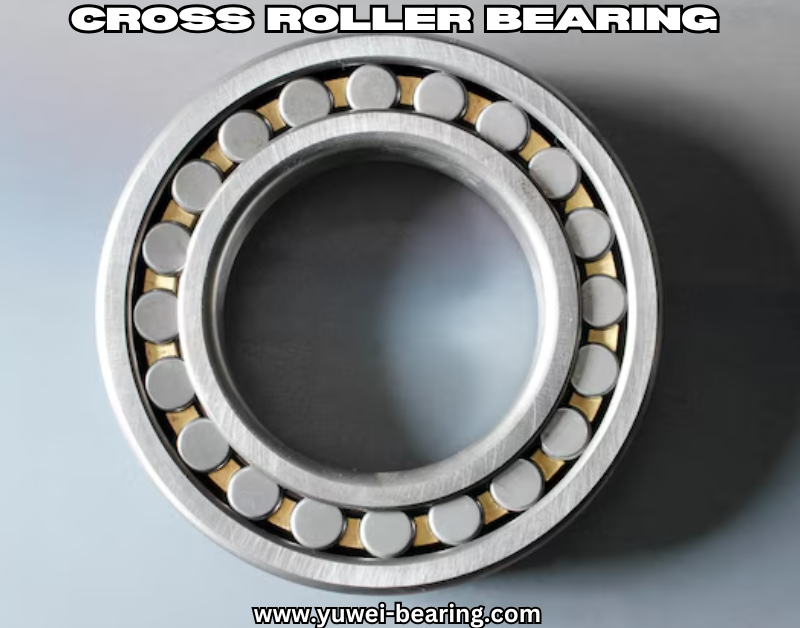
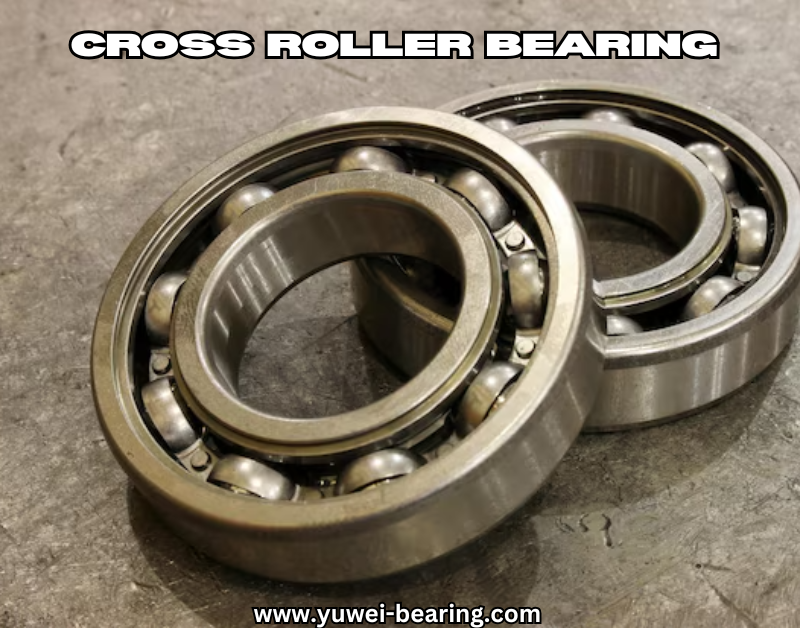
A cross-roller-bearing is a type of bearing where cylindrical rollers are arranged orthogonally in a raceway. This perpendicular configuration allows the bearing to handle radial, axial, and moment loads simultaneously, unlike standard ball or roller bearings. Visit 这里!
- Load Handling: Can manage combined forces from multiple directions.
- Rigidity: Maintains structural integrity under heavy loads.
- 精确: Provides accurate rotational movement, essential in high-tolerance operations.
- Compact Design: Enables integration into tight machinery spaces without reducing performance.
Example Applications: Robotics, CNC machines, medical imaging devices, and rotary tables.
| 特征 | 描述 | 益处 |
|---|---|---|
| Roller Arrangement | Cylindrical rollers perpendicular to each other | Handles combined loads efficiently |
| 精确 | Tight machining tolerance | Reduces vibration and misalignment |
| Size | Compact footprint | Space-saving integration in machinery |
| 负载能力 | 高的 | Supports heavy or complex loads |
Key Features Driving Industrial Adoption
Manufacturers are increasingly adopting cross-roller-bearing because of their unique combination of features:
- High Load Capacity: The perpendicular rollers distribute forces evenly, preventing early wear.
- Compactness: Suitable for machines with space limitations.
- Rotational Accuracy: Maintains alignment under axial, radial, and moment loads.
- 耐用性: Can sustain prolonged operational cycles without failure.
- 多功能性: Works in robotic joints, rotary tables, spindles, and automated platforms.
Paragraph Guide: Focus on each feature, explaining its practical impact. Highlight where the feature improves machine performance and reduces maintenance downtime.
| 特征 | Industrial Advantage |
|---|---|
| 负载能力 | Higher throughput, reduced downtime |
| 准确性 | Tight machining tolerances |
| Compactness | Efficient design, smaller machine footprint |
| Versatility | Supports multiple applications |
Applications in Robotics
Robotics relies on precise movement along multiple axes. Cross-roller-bearing are ideal for rotary joints in robotic arms:
- Smooth Rotation: Reduces vibration, ensuring accurate positioning.
- Combined Load Handling: Supports axial and radial forces during lifting and rotation.
- High Rigidity: Allows robotic arms to carry heavier components without deflection.
- Durable Operation: Maintains performance over thousands of cycles.
Paragraph Guide: Focus on practical benefits like improved precision, reliability, and reduced mechanical wear. Highlight industries such as assembly, welding, and automated packaging.
| Robotic Component | Bearing Benefit |
|---|---|
| Arm Joint | Smooth, accurate rotation |
| End Effector | Stable load handling |
| Rotary Base | High rigidity under complex loads |
CNC Machines and Machine Tools
CNC machines require precise rotational motion for milling, drilling, and cutting:
- Rotary Tables: Cross roller bearing allow accurate rotation under heavy cutting loads.
- Spindles: Ensure high precision and smooth movement for machining tools.
- Indexers: Provide reliable angular positioning for repetitive operations.
Paragraph Guide: Emphasize how these bearings reduce defects, improve throughput, and extend tool life. Use examples of machining environments with high-speed rotation and heavy material removal.
| CNC Component | Benefit of Cross-Roller-Bearing |
|---|---|
| Spindle | Reduces vibration, maintains accuracy |
| Rotary Table | Handles heavy workpieces reliably |
| Indexer | Precise angular rotation |
Aerospace and Defense Manufacturing
In aerospace and defense equipment, precision and reliability are paramount:
- Radar Platforms: Bearings maintain alignment while supporting dynamic loads.
- Satellite Assemblies: Enable smooth rotation and orientation adjustments.
- Defense Machinery: Supports heavy components and precise movements simultaneously.
Paragraph Guide: Highlight extreme conditions such as vibration, temperature fluctuations, and dynamic loads. Focus on the ability of cross roller bearings to maintain performance and structural integrity.
| Equipment | Bearing Advantage |
|---|---|
| Radar Systems | Accurate rotation under load |
| Satellites | Smooth orientation adjustments |
| Defense Machinery | Supports complex movements reliably |
Medical and Laboratory Equipment
Modern medical and lab equipment requires precise and reliable rotational movement:
- Surgical Robots: Smooth, repeatable motion for accurate procedures.
- Imaging Devices: Stabilizes rotational components for high-resolution scans.
- Diagnostic Tools: Handles repeated motion with minimal maintenance.
Paragraph Guide: Emphasize accuracy, durability, and compact design. Highlight applications where even minor misalignment can affect performance.
| Device | Bearing Benefit |
|---|---|
| Surgical Robot | Smooth joint rotation |
| Imaging Device | Maintains scan precision |
| Lab Equipment | Reliable under repetitive motion |
Factory Automation and Material Handling
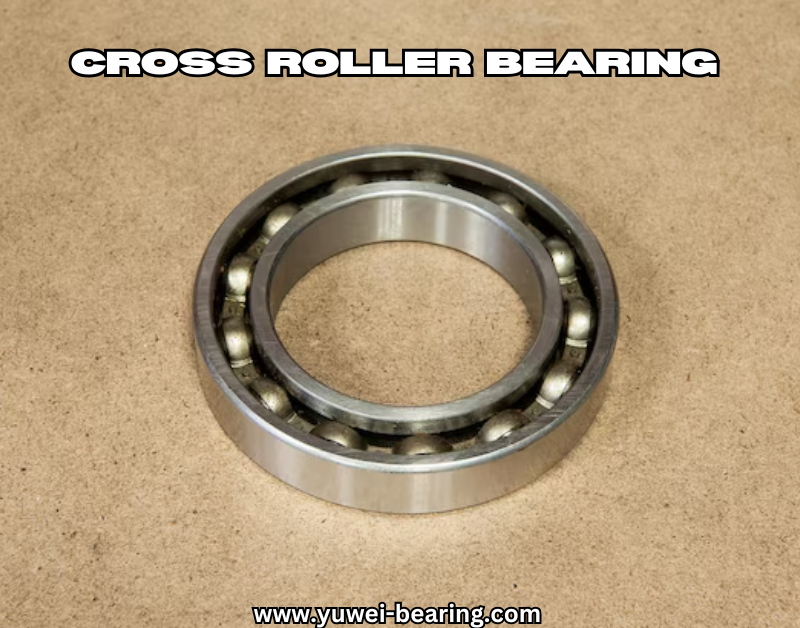
Cross roller bearings enhance industrial automation systems:
- Rotary Platforms: Support heavy loads in pick-and-place systems.
- Conveyors: Enable smooth rotational motion of transfer mechanisms.
- Automated Storage: Bearings ensure reliable positioning of heavy items.
Paragraph Guide: Focus on load handling, reduced downtime, and improved operational efficiency. Include real-world industrial applications like assembly lines, warehouses, and automated packaging.
| 应用 | Bearing Advantage |
|---|---|
| Rotary Platform | Supports heavy and varying loads |
| Conveyor Systems | Smooth rotation, low maintenance |
| Automated Storage | Precise positioning of goods |
Lubrication and Maintenance Considerations
Proper lubrication and maintenance extend bearing life and performance:
- 润滑类型: Grease for standard use, oil for high-speed operations.
- Frequency: Follow manufacturer recommendations; inspect periodically.
- Contamination Prevention: Use seals to protect against dust, moisture, and debris.
- Temperature Management: Avoid overheating; maintain optimal operating conditions.
Paragraph Guide: Provide step-by-step guidance on lubrication practices, inspection intervals, and protective measures. Stress simplicity and reliability.
| 考虑 | Recommendation |
|---|---|
| 润滑 | Grease or oil depending on speed and load |
| Inspection | Regular checks for wear and alignment |
| Protection | Seals and shields to prevent contamination |
| 温度 | Maintain within recommended range |
Installation and Alignment Best Practices
Correct installation is critical for optimal bearing performance:
- Precision Mounting: Avoid excessive force; use calibrated tools.
- Alignment: Ensure shafts and platforms match raceway orientation.
- 负载分配: Verify operational loads do not exceed specifications.
- Environment Control: Protect against dust, moisture, and vibration during installation.
Paragraph Guide: Provide stepwise installation guidelines. Highlight common mistakes and preventive measures to ensure long-term reliability.
| Installation Step | Best Practice |
|---|---|
| Mounting | Use calibrated tools, avoid hammering |
| 结盟 | Check axial and radial positioning |
| Load Verification | Compare with bearing specifications |
| 环境 | Maintain clean, controlled workspace |
Measuring Performance and Efficiency Gains
Manufacturers can quantify benefits using key metrics:
- 减震: Smooth rotation minimizes errors.
- Extended Component Life: Bearings withstand prolonged operation.
- 高精度: Reduces defective parts and improves product quality.
- Operational Efficiency: Lower downtime, higher throughput, and reduced maintenance costs.
Paragraph Guide: Include guidance on performance tracking methods, such as vibration analysis, load monitoring, and cycle count tracking.
| 公制 | Expected Gain |
|---|---|
| 振动 | Reduction in mechanical noise and wear |
| Component Life | Longer operational cycles without failure |
| 精确 | Tighter tolerances, fewer defective parts |
| 效率 | Increased throughput, reduced downtime |
Emerging Trends and Innovations
Cross-roller-bearing- continue evolving to meet future manufacturing needs:
- Sensor Integration: Real-time monitoring of wear, temperature, and vibration.
- Advanced Materials: High-strength alloys and ceramics for durability and corrosion resistance.
- Compact Multi-Axis Designs: Support complex robotic and rotary applications.
- Energy Efficiency: Reduced friction improves overall machine performance.
Paragraph Guide: Focus on technological advancements and how they align with modern manufacturing requirements. Include practical benefits like predictive maintenance and energy savings.
| Innovation | Advantage |
|---|---|
| Sensor Integration | Real-time performance monitoring |
| Advanced Materials | Increased load capacity and lifespan |
| Multi-Axis Design | Supports complex movements in compact space |
| 能源效率 | Reduced friction, lower operational cos |
常见问题
Q1. What is the main advantage of a cross-roller-bearing?
It handles radial, axial, and moment loads simultaneously, providing high precision and rigidity.
Q2. Where are cross roller bearings commonly used?
They are used in robotics, CNC machines, aerospace systems, medical devices, and factory automation.
Q3. How often should cross roller bearing be lubricated?
Lubrication depends on speed, load, and manufacturer recommendations. Regular inspection is essential.
Q4. Can cross roller bearing operate under heavy loads?
Yes, their perpendicular roller design allows them to manage high combined loads efficiently.
Q5. Are these bearings suitable for compact machines?
Yes, their design allows integration in limited spaces without sacrificing performance.
conclusion
交叉滚子轴承 have become a cornerstone of modern manufacturing, quietly ensuring that machines operate with precision, stability, and efficiency. Their unique design, which allows them to handle radial, axial, and moment loads simultaneously, makes them indispensable in environments where accuracy and reliability cannot be compromised. From robotic arms and CNC machines to aerospace equipment and medical devices, these bearings enable smooth, controlled motion and reduce wear, vibration, and downtime. Their compact size and versatility allow engineers to design machines that are both powerful and space-efficient, while proper lubrication and alignment practices extend their lifespan and performance. As manufacturing technology continues to evolve, the demand for components that can sustain higher speeds, heavier loads, and more complex movements will only grow. Cross-roller-bearings meet these demands, supporting operational efficiency, precision, and long-term durability. By integrating them thoughtfully into machinery and adhering to best practices, manufacturers can achieve superior performance, reduce maintenance costs, and maintain competitive advantage in an increasingly fast-paced industrial landscape.