In high-precision machinery and automotive spindles, the 70 series angular contact ball bearing is a critical component. These bearings are designed to handle combined radial and axial loads at high speeds. However, when things go wrong, the most common failure point is the internal track. Specifically, 70 angular bearing inner race damage can lead to catastrophic machine failure if not identified early.
At Yuwei-Bearing, we are professional manufacturers dedicated to the science of friction and rotation. In this technical guide, we will break down why inner race damage occurs in 70 series bearings and how you can diagnose these issues before they stop your production line.
What is a 70 Series Angular Contact Bearing?
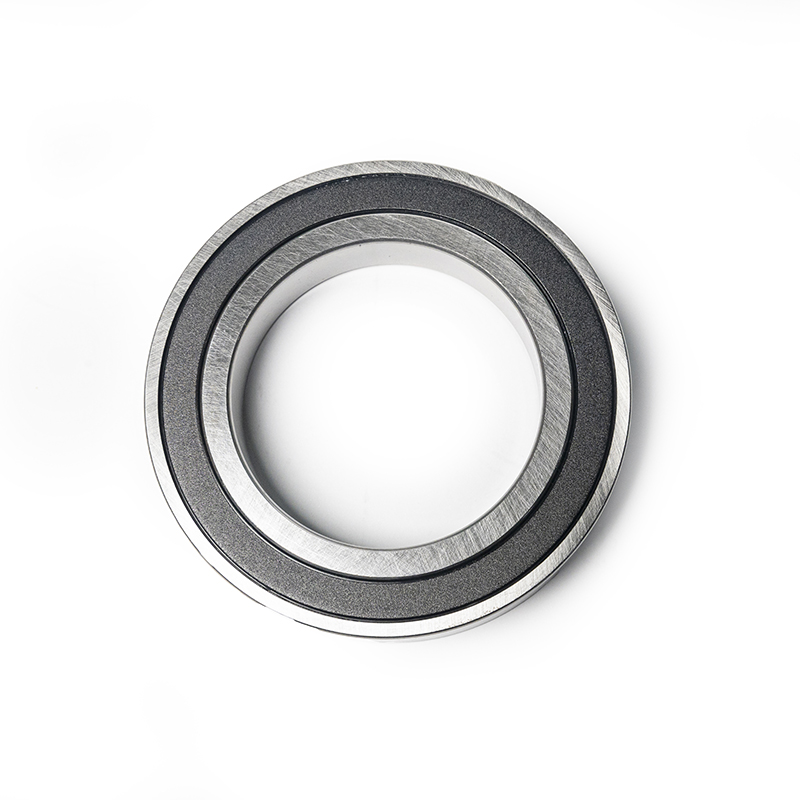
To understand the damage, we must first understand the design. The “70” designation refers to a standard ISO dimension series for light-duty, high-speed angular contact bearings. Unlike standard deep-groove bearings, the inner and outer races of a 70 series bearing are displaced relative to each other along the bearing axis.
This design allows the bearing to support significant thrust loads. However, because the contact angle is so specific, any misalignment or lubrication failure focuses immense pressure directly on the inner race.
Common Types of 70 Angular Bearing Inner Race Damage
When we inspect a failed bearing at the Yuwei-Bearing laboratory, we usually see one of the following four types of damage on the inner ring:
1. Spalling (Flaking)
Spalling is the most common form of 70 angular bearing inner race damage. It appears as “pitting” or flakes of metal breaking away from the raceway surface.
-
The Cause: Often caused by material fatigue or excessive axial preload. If the bearing is pushed too hard during installation, the stress exceeds the metal’s limit.
-
The Result: Increased noise and vibration that gets louder as speed increases.
2. False Brinelling
This looks like small, rhythmic indentations or “bruises” along the inner race.
-
The Cause: This happens when the bearing vibrates while it is stationary (for example, during shipping or while a machine is idling nearby). The balls wear away the lubrication film and micro-weld to the inner race.
-
The Result: A “clicking” sound and rough rotation once the machine starts moving.
3. Smearing and Galling
This occurs when the rolling elements (the balls) slide instead of roll. It looks like the metal has “melted” or been dragged across the surface of the inner race.
-
The Cause: Inadequate lubrication or insufficient load. If the load is too light, the balls don’t have enough traction to roll, so they skid.
-
The Result: Rapid heat buildup and eventual seizing of the bearing.
4. Electrical Erosion
In automotive and electric motor applications, stray currents can jump from the inner race to the balls. This creates a “fluting” pattern—tiny parallel lines burned into the inner race.
-
The Cause: Improper grounding of the electrical system.
-
The Result: High-frequency whining and sudden bearing failure.
Technical Symptoms: How to Spot a Failing Inner Race
You don’t always need a microscope to find 70 angular bearing inner race damage. Watch for these three key industrial indicators:
-
Vibration Analysis: Using a handheld vibration meter, you will see a spike in the “Inner Race Pass Frequency” (BPFI). This is a clear technical sign that the balls are hitting a defect on the inner ring.
-
Heat Spikes: A damaged inner race creates friction. If the bearing housing feels hot to the touch (above 80°C), the inner race is likely already compromised.
-
Audible “Growling”: A low-pitched growl usually indicates spalling on the inner race, whereas a high-pitched squeal often points to lubrication starvation.
Comparison: Damage Causes in 70 Series Bearings
| Damage Type | Visual Appearance | Primary Technical Cause |
| Spalling | Crater-like pits | Material Fatigue / Overload |
| Brinelling | Spherical dents | Impact or Static Vibration |
| Smearing | Scuffed metal | Lubrication Failure / Ball Skidding |
| Fluting | Parallel grooves | Electrical Current Leakage |
How to Prevent Inner Race Damage
As a manufacturer, Yuwei-Bearing recommends the following three steps to maximize the life of your 70 series bearings:
-
Precision Preloading: Ensure you are using the correct preload (Light, Medium, or Heavy). Excessive preload is the #1 killer of the inner race in angular contact bearings.
-
Clean Room Installation: Even a microscopic dust particle can cause “point loading” on the inner race, leading to early spalling.
-
Correct Lubrication Viscosity: For high-speed 70 series bearings, use a synthetic grease with a high DN factor to ensure a consistent oil film between the ball and the inner race.
Conclusion
The inner race is the heart of the bearing. In a 70 series angular contact bearing, it bears the brunt of the speed and the load. Detecting 70 angular bearing inner race damage early can save your business from expensive downtime and secondary damage to spindles and shafts.
By choosing high-quality components and following rigorous maintenance schedules, you ensure that your machinery operates at peak efficiency.
Are you looking for a reliable B2B partner for high-precision 70 series bearings? At Yuwei-Bearing, we are more than just a manufacturer; we are a strategic supplier for the automotive and industrial sectors. We specialize in producing durable, high-tolerance bearings designed to resist inner race wear and fatigue.
Whether you need bulk supply for OEM production or specialized bearings for high-speed spindles, our team provides the technical support and manufacturing consistency your business requires.
Contact Yuwei-Bearing today to request a wholesale quote or a technical consultation.